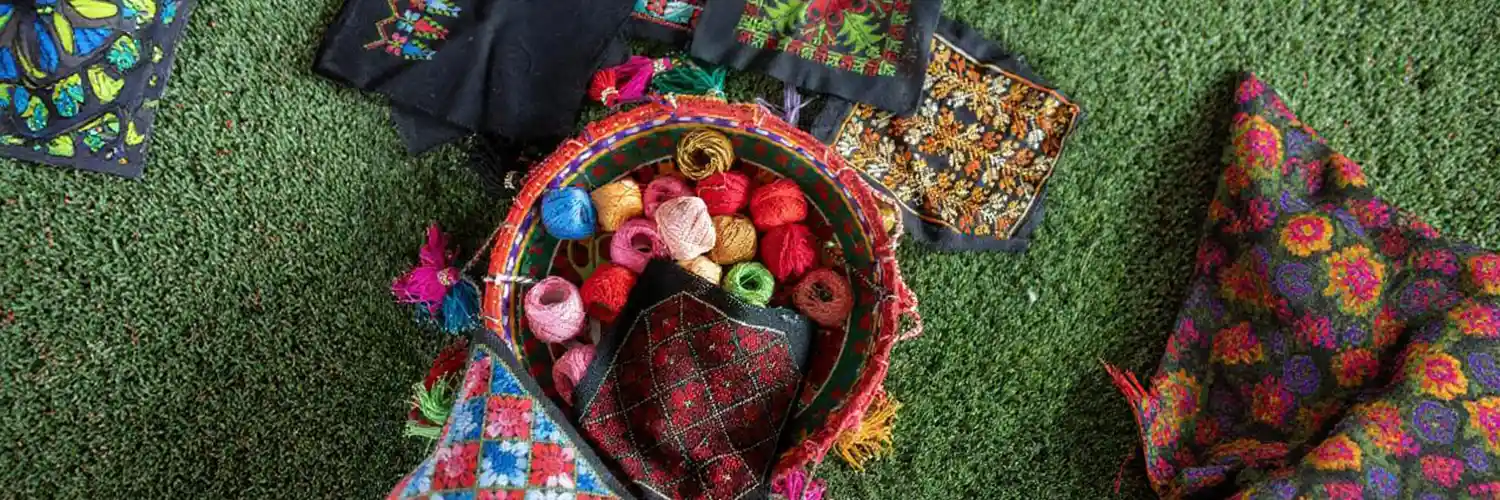
Pakistani embroidery is considered a living form of art, carrying stories of culture, heritage, and identity through every stitch. Whether it’s the vibrant mirror work of Sindh or the floral brilliance of Punjab’s Phulkari, embroidery has shaped how people dress, celebrate, and express identity. Today, these crafts are not confined to heirlooms. They have made a great place in contemporary fashion and modern décor. Platforms like Treasure Pakistan make it possible to explore these traditions and bring them into everyday living.
Here are some of the top Pakistani fashion embroidery styles:
Phulkari
Phulkari, meaning “flower work,” is Punjab’s most celebrated embroidery style. Traditionally worked on hand-spun khaddar cloth, Phulkari used brightly coloured silk threads to form bold floral and geometric motifs. These shawls were often made for brides, passed down as family treasures, and treasured as part of a woman’s dowry.
Today, Phulkari is no longer confined to wedding trunks. Designers have reimagined it in everyday wear like scarves, dupattas, jackets, and even handbags. Its bright colours now appear on cushion covers, framed wall hangings, and lampshades, blending folk tradition with contemporary design. A Phulkari dupatta over jeans and a plain kurta is just one way the heritage has entered the modern wardrobe.
Highlights:
- Origin: Punjab, wedding and ceremonial traditions.
- Motifs: Floral and geometric, stitched with silk thread.
- Modern use: Jackets, handbags, and home décor items.
Sindhi Embroidery & Mirror Work
Sindhi embroidery is instantly recognizable for its striking colours, dense stitching, and distinctive use of small mirrors (shisha). Each pattern has a cultural meaning. Some designs reflect a family’s caste or village, while mirrors were believed to protect against evil. For centuries, this embroidery formed a major part of bridal outfits and festival attire.
Today, Sindhi mirrorwork has found its way into chic handbags, laptop sleeves, and boho-style cushions. It is also used in modern interiors for throw pillows, wall panels, or decorative runners. Fashion designers are experimenting with mirrorwork on denim jackets, giving traditional stitches a global, urban appeal.
Highlights:
- Origin: Sindh, known for mirror embellishments.
- Symbolism: Mirrors believed to ward off evil.
- Modern use: Accessories, jackets, and home décor.
Balochi Tanka
Balochi embroidery, known as Tanka, is bold, geometric, and full of tribal symbolism. Historically, women embroidered their clothes with fine needlework, telling stories of heritage and belonging through each stitch. Its motifs often reflect tribal identity and patterns inspired by nature.
Today, Balochi embroidery is sought after in bohemian and eclectic fashion. Designers are turning Tanka into statement handbags, embroidered belts, and wall art. Its earthy tones and bold geometry align perfectly with global boho-chic aesthetics, making it a favourite for those who love artisanal fashion.
Highlights:
- Origin: Balochistan, tribal embroidery traditions.
- Style: Geometric motifs with cultural symbolism.
- Modern use: Boho fashion, belts, and wall art.
Ajrak Block Printing
Though technically a block-printing tradition, Ajrak often complements embroidery in Sindhi and Balochi attire. Its indigo and crimson geometric designs carry the same cultural resonance as needlework. Ajrak shawls are worn proudly as symbols of Sindhi identity, and their motifs often inspire embroidery stitches too.
Modern reinterpretations of Ajrak can be seen in jackets, dupattas, framed textile art, and even table runners. Many contemporary designers mix embroidery with Ajrak prints, producing hybrid designs that merge two historic crafts.
Highlights:
- Origin: Sindh, block-printed in indigo and crimson.
- Symbolism: A mark of Sindhi pride.
- Modern use: Jackets, scarves, and blended embroidery-fashion.
Chikankari
Chikankari is best known for its fine, delicate embroidery worked with white thread on light fabrics. Though it originated in Lucknow, this style has been embraced in Pakistan for its understated charm. Unlike the bold colours of Phulkari or Sindhi work, Chikankari is all about subtlety.
Modern designers love it for its minimalism. It looks just as beautiful on summer cotton kurtas as it does on formal chiffon tops. The appeal of Chikankari lies in its versatility. It fits both daily wear and formal occasions without overpowering the outfit.
Highlights:
- Style: White-on-white embroidery.
- Appeal: Minimalist, subtle, and elegant.
- Modern use: Kurtas, blouses, and light festive wear.
Why These Embroideries Matter Today
Embroidery is not just craft, it is living history. Each region’s style reflects its people, stories, and way of life. Supporting these crafts means keeping alive centuries-old traditions and sustaining artisan communities who depend on this work.
In the age of fast fashion, cultural embroidery designs from Pakistan offer something different. They portray authenticity, sustainability, and individuality. No two hand-embroidered pieces are alike, making them stand apart from mass-produced fashion. For artisans, every sale is not just income but a way to preserve a dying heritage.
Bringing Traditional Embroidery Into Everyday Life
Traditional embroidery need not be reserved for weddings and festivals. With modern adaptations, these stitches easily find space in daily life. Imagine pairing a Phulkari jacket with jeans, carrying a Sindhi mirrorwork tote to work, or adding embroidered cushions to a minimalist living room. Chikankari kurtas are perfect for everyday summer wear, while Balochi-embroidered belts or Ajrak scarves can elevate even the simplest outfit.
Beyond fashion, embroidery has also entered lifestyle products. Wall hangings, embroidered lampshades, and even mobile covers now carry these heritage designs. They not only beautify spaces but also remind us of the artistry behind them.
Conclusion
The traditional embroidery of Pakistan is a cultural asset that continues to evolve without losing its roots. Each region contributes something distinct, from Punjab’s Phulkari to Sindh’s mirrorwork and Balochistan’s Tanka. What once adorned dowries and festival garments is now shaping contemporary wardrobes and homes worldwide.
By choosing embroidered pieces, you are not just buying fabric, you are preserving stories, supporting artisans, and celebrating identity. As modern uses of these crafts grow, they remind us that culture is not locked in the past; it lives on, tied carefully into the present.
You can explore a wide range of Pakistani embroidery styles at Treasure Pakistan. Our collection features beautifully crafted gift items, patterned kitchen accessories, and wall hangings that bring cultural charm into modern homes. Each piece is carefully made by artisans, blending tradition with utility, so you can celebrate heritage in your daily life. Discover unique creations that are perfect for gifting or decorating, while also supporting local craftsmanship.
View our collection!
FAQs
Q1: What are the most popular Pakistani embroidery styles?
Phulkari, Sindhi mirrorwork, Balochi Tanka, Ajrak, and Chikankari are among the most recognized embroidery styles in Pakistan.
Q2: How is traditional embroidery of Pakistan being used in modern fashion?
Designers are blending these styles into jackets, handbags, belts, scarves, and even home décor items like cushions and wall hangings.
Q3: What makes Sindhi embroidery patterns unique?
Sindhi embroidery is known for its vibrant colours and use of mirrors, which were traditionally believed to ward off evil.
Q4: Is hand embroidery in Pakistan still done by artisans?
Yes, most traditional embroidery is still handmade by artisans, often women in rural areas who rely on this skill for their livelihood.
Q5: How can cultural embroidery designs from Pakistan be styled today?
They can be paired with modern outfits like a Phulkari jacket with jeans or a Chikankari kurta for everyday wear, and also used in home décor as cushions, lampshades, or wall hangings.